Replacing a roof is one of the biggest maintenance projects a property owner can face. It involves removing old materials, handling heavy debris, and keeping the area safe while work is in progress. One detail that often gets overlooked during planning is waste removal. Yet this single factor can make or break the entire project timeline.
A roofing dumpster rental provides a clean, safe, and organized way to manage roofing waste from start to finish. Whether you are a homeowner replacing shingles or a contractor managing multiple properties, having the right dumpster on site helps reduce risks, saves time, and keeps the job compliant with local rules.
This article explains why roofing dumpster rentals are essential, how they support roof replacement projects, and what to expect when arranging one in Riverside.
What Happens During a Roof Replacement?
A roof replacement is more than laying new shingles. The process usually includes tearing off old roofing layers, inspecting the decking, replacing damaged wood, and installing new materials. Each step creates waste.
Old asphalt shingles, nails, flashing, felt paper, wood scraps, and packaging materials can pile up quickly. A standard residential roof can produce several tons of debris in just one or two days.
Without a clear disposal plan, this waste can slow the project, create safety hazards, and cause frustration for everyone involved.
Why Roofing Waste Needs Special Handling
Roofing debris is different from everyday trash. It is heavier, sharper, and more difficult to manage. Asphalt shingles are dense and contain granules that add weight. Nails and metal flashing can puncture bags, shoes, and tires.
Loose debris left on the ground can damage lawns, scratch driveways, and pose serious risks to children and pets. Local waste services often refuse roofing materials because they exceed weight limits.
This is where a roofing dumpster rental becomes essential rather than optional.
What Is a Roofing Dumpster Rental?
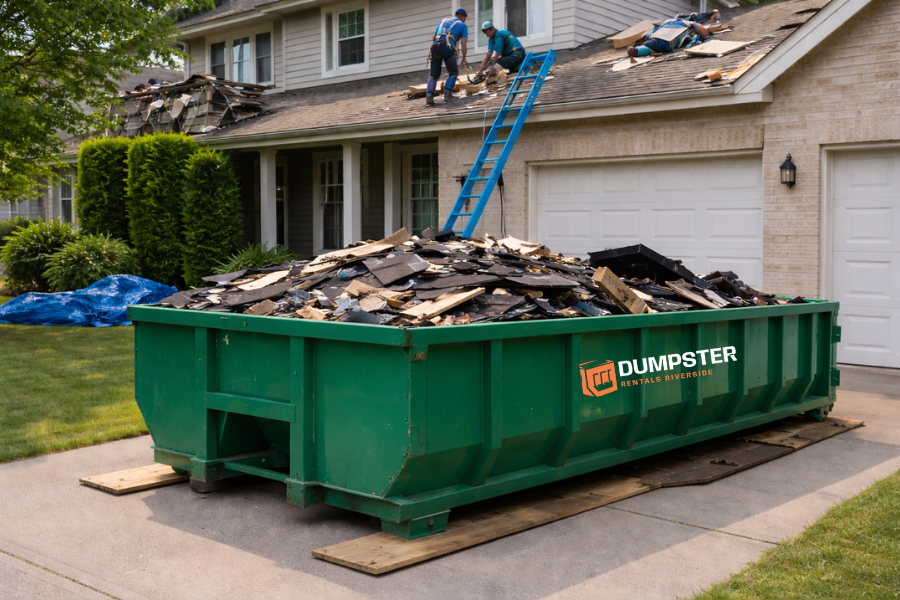
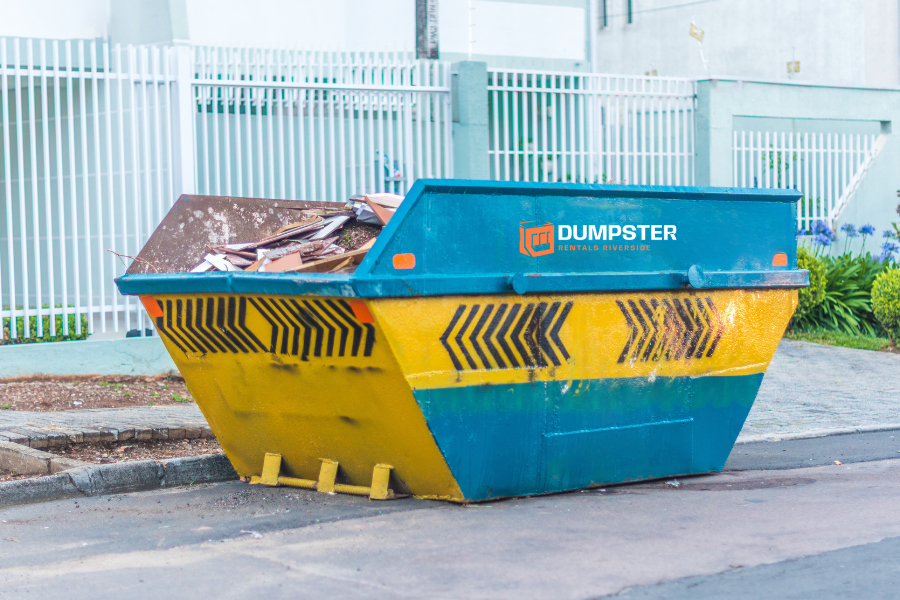
A roofing dumpster rental is a temporary roll-off container delivered to your property for the sole purpose of collecting roofing debris. It stays on site throughout the project and is removed once the work is complete.
These dumpsters are built to handle heavy construction waste safely. Their open-top design allows roofers to throw debris directly into the container, reducing handling time and lowering injury risks.
Providers like Dumpster Rental Riverside CA offer multiple sizes to match different roofing projects.
Why Roof Replacement Projects Depend on Dumpsters
Roof replacement projects move fast. Crews often remove and replace large sections of roofing in a single day. Without a dumpster, debris has nowhere to go.
Trying to manage roofing waste with trash cans, trailers, or pickup trucks usually leads to delays. Crews must stop work to load debris, drive to disposal sites, and return. This increases labor costs and extends project timelines.
A dumpster keeps waste management simple and allows the roofing team to stay focused on installation.
Safety Is a Major Reason Dumpsters Matter
Roofing is already a high-risk job. Workers deal with heights, tools, and weather conditions. Adding scattered debris to the mix increases danger.
Nails on the ground can cause puncture wounds. Shingles can create slip hazards. Piles of debris restrict movement around ladders and scaffolding.
Using a roofing dumpster rental keeps the worksite clear and reduces accidents. It also protects homeowners and neighbors who may be near the property during the project.
Keeping the Property Clean and Organized
A roof replacement can disrupt daily life, especially for homeowners living in the house during the work. Debris spread across the yard or driveway adds stress and inconvenience.
With a dumpster placed in a strategic location, waste stays contained. This helps preserve landscaping, avoid driveway damage, and keep access paths clear.
A clean site also makes final cleanup faster and more effective once the roof is complete.
Efficiency and Time Savings During Roofing Jobs
Time matters in roofing. Weather delays, labor scheduling, and material deliveries all affect completion.
When a dumpster is on site, debris removal happens continuously. Roofers do not need to pause work to clear space or haul waste away. This steady flow keeps the project on schedule.
Many contractors prefer jobs with dumpsters because they improve productivity and reduce end-of-day cleanup time.
One-Paragraph Summary With Key Benefits
A roofing dumpster rental supports roof replacement by improving safety, speeding up debris removal, keeping the property organized, reducing labor costs, and ensuring waste is handled according to local rules—all while helping the project finish on time and with fewer complications.
Choosing the Right Dumpster Size for Roofing Projects
Selecting the right dumpster size is critical. Too small, and the container may overflow. Too large, and you may pay for unused capacity.
Typical guidelines include:
- Small roofs or single-layer tear-offs often fit in a 10-yard dumpster
- Average residential roofs usually need a 20-yard dumpster
- Large homes, multiple layers, or commercial roofs may require 30- or 40-yard dumpsters
Local providers such as Dumpster Rental Riverside CA can estimate the right size based on roof square footage and materials used.
Where Should the Dumpster Be Placed?
Dumpster placement affects efficiency and property protection. Most dumpsters are placed on driveways, but some may be positioned on gravel or paved areas.
Professional rental companies use boards or padding under the container to prevent surface damage. Placement should allow easy access for roofers while leaving room for vehicles and foot traffic.
If the dumpster needs to be placed on a public street, a permit may be required.
Legal and Environmental Considerations
Roofing debris must be disposed of according to local regulations. Some materials can be recycled, while others require special handling.
Licensed dumpster providers ensure waste goes to approved facilities. This helps reduce environmental impact and keeps property owners compliant with city and county rules.
Using a trusted roofing dumpster rental service reduces the risk of fines or improper disposal.
Cost Control and Budget Predictability
Roof replacement budgets can quickly increase when waste handling is not planned properly. Multiple landfill trips, extra labor hours, and cleanup services add up.
A dumpster rental offers clear, upfront pricing. It covers delivery, pickup, and disposal in one arrangement. This makes it easier to manage costs and avoid surprises.
In many cases, renting a dumpster is more affordable than alternative disposal methods.
How Contractors Benefit From Roofing Dumpsters
Contractors rely on efficiency, safety, and reputation. A clean job site reflects professionalism and builds trust with clients.
Dumpsters allow crews to work faster, reduce cleanup time, and lower injury risks. This improves overall project quality and helps contractors stay on schedule.
For repeat projects, dumpsters also simplify planning and logistics.
Common Roofing Dumpster Mistakes to Avoid
One common mistake is underestimating debris volume. Roofing materials are heavier than they appear, especially when multiple layers are removed.
Another mistake is placing prohibited items in the dumpster, which can lead to extra fees. Hazardous materials are usually not allowed.
Working with an experienced local provider helps avoid these issues and ensures smooth service.
Frequently Asked Questions About Roofing Dumpster Rentals
1. Is a dumpster required for every roof replacement?
A dumpster is not legally required for every project, but it is highly recommended for full roof replacements. Roofing tear-offs generate large amounts of heavy debris, and a dumpster helps manage waste safely, keeps the site organized, and prevents delays or cleanup issues.
2. How long can I keep the dumpster?
Most dumpster rentals include a standard rental period of several days to one week. If the roofing project runs longer due to weather or scheduling changes, rental extensions are usually available to keep debris removal uninterrupted.
3. Can the dumpster damage my driveway?
When placed correctly, driveway damage is unlikely. Reputable providers use wooden boards or protective materials under the dumpster to distribute weight evenly and reduce the risk of cracks, scratches, or surface marks.
4. What materials can go into a roofing dumpster?
Roofing dumpsters typically accept shingles, felt paper, nails, wood decking, flashing, and general roofing debris. Hazardous materials such as chemicals, batteries, tires, or liquids are not allowed and must be disposed of separately.
5. Do homeowners or contractors arrange the rental?
Either homeowners or contractors can arrange a dumpster rental. Contractors often handle it for convenience and timing, while homeowners may book directly to control scheduling, placement, and overall project coordination.
Final Thoughts: Planning Makes Roofing Easier
Roof replacement projects involve heavy materials, tight schedules, and safety risks. Proper waste management is not a small detail—it is a core part of a successful project.
A roofing dumpster rental helps keep the job site clean, protects people and property, and supports faster completion. For homeowners and contractors alike, it reduces unnecessary stress and leads to smoother results, whether the project is in Mission Grove, Arlington, or Canyon Crest.
If you are preparing for a roof replacement, planning your debris removal early can help everything else fall into place. Many property owners across Riverside neighborhoods choose to secure their dumpster ahead of time so they can focus on the work itself and move forward with confidence when it’s time to get started.